 Nov 10, 2026
 Comments
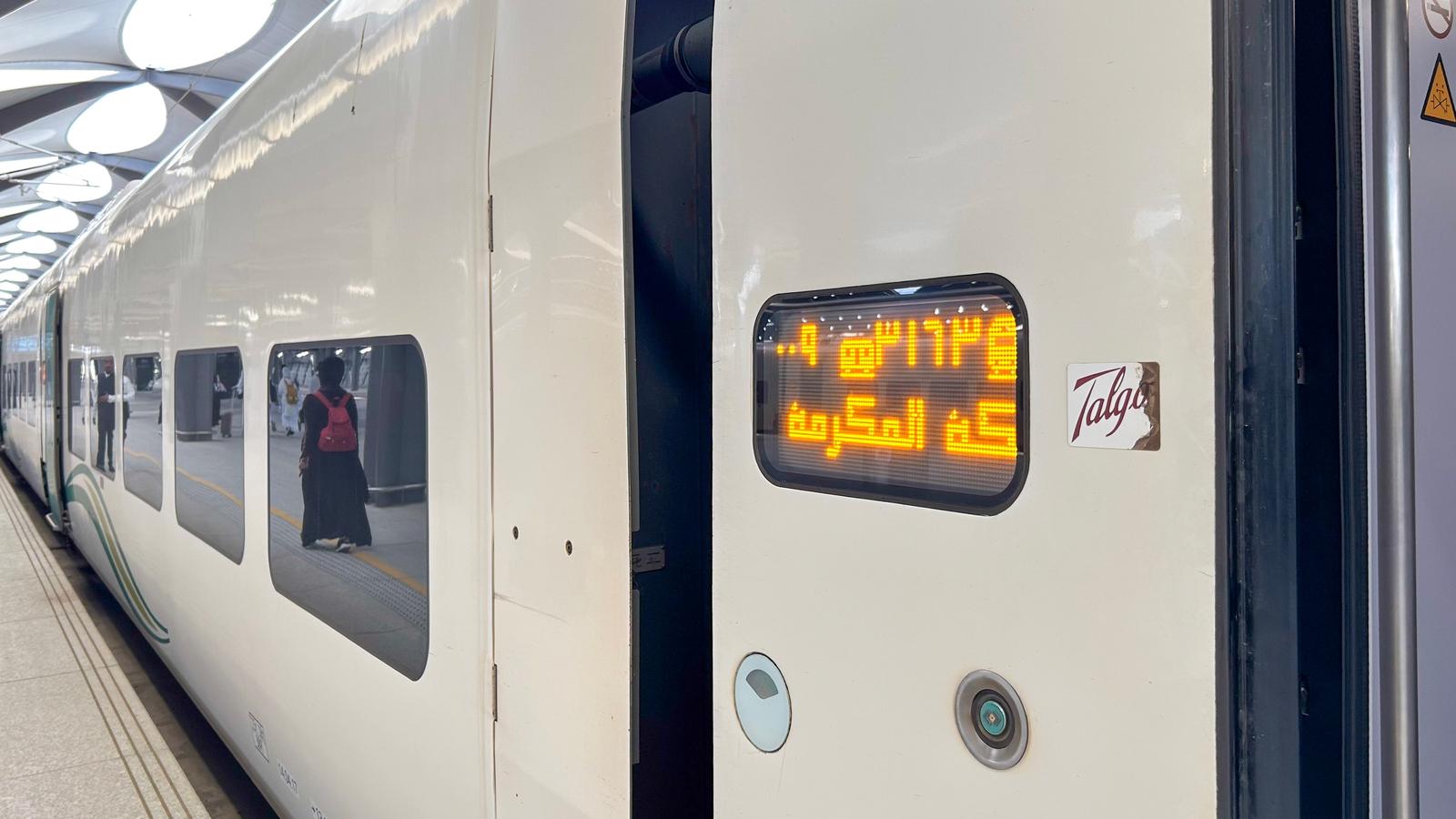
From Jeddah, Makkah is only about 80 kilometres away. Yet distance alone never made the journey simple. Driving to the Grand Mosque could mean dealing with traffic and parking restrictions, then finding a way to reach Al-Haram. Madinah was a bigger undertaking: roughly 400 kilometres by road, or a flight that required its own planning.
The Haramain High Speed Railway which opened in 2018, changed the calculation. Makkah is now about an hour away by train. My family and I sometimes take it simply because we have the time and feel like going. That is a useful test of infrastructure: does it only serve journeys people must make, or does it make them want to travel more?
For us, the train has made a complicated trip feel manageable. Booking is digital, and we have found the service reliable. The fare has been affordable for my family. Pilgrims and visitors use the railway, but it is useful for ordinary family journeys, too. The Haramain has shown how rail can become part of daily life in Saudi Arabia.
The Haramain is not Saudi Arabia’s only passenger railway: the East Train links Riyadh with Dammam, while the North Train runs from Riyadh towards Qurayyat.
And the news this week that these lines will be part of the wider Gulf Railway project, a 1,700km rail network linking six Gulf states and scheduled to be operational by 2030, will offer Saudis and their neighbours a new way to experience the region.
The familiar options are often to drive - sometimes for hours - or fly, with all the planning that airports require. A train could offer a middle ground: less tiring than a long drive, and with fewer airport formalities. The journey itself might become part of the visit. People may even take trips they would not otherwise consider. One does not need an urgent reason to visit Kuwait if getting there becomes easy.
Many Saudis have family across the Gulf. Reliable connections could make visits easier and help tourism and business by reducing the friction of cross-border travel. But convenience depends on practical details: affordable fares, useful station locations, connections to local transport, easy ticketing and straightforward border procedures.
The agreement signed by Gulf ministers is a step towards an integrated network, not proof that passengers will soon have one. The project has been delayed before. Governments must coordinate and deliver services people can trust.
From a Jeddah perspective, the Haramain has shown what changes when a journey becomes easy and dependable. The Gulf railway’s success will depend on whether it can do the same across borders - and make the train a journey people choose.




 Nov 4, 2026

0 Comments
No comments yet. Be the first to comment!