 Oct 21, 2026
 Comments
This year, Shahid released a drama about a Saudi female lawyer juggling courtrooms and private battles — a storyline reminiscent of Suits and The Good Wife. The theatrics may fall short at times, but the essence rings true: even amid sweeping reforms, women in Saudi law still navigate struggles that are both professional and personal.
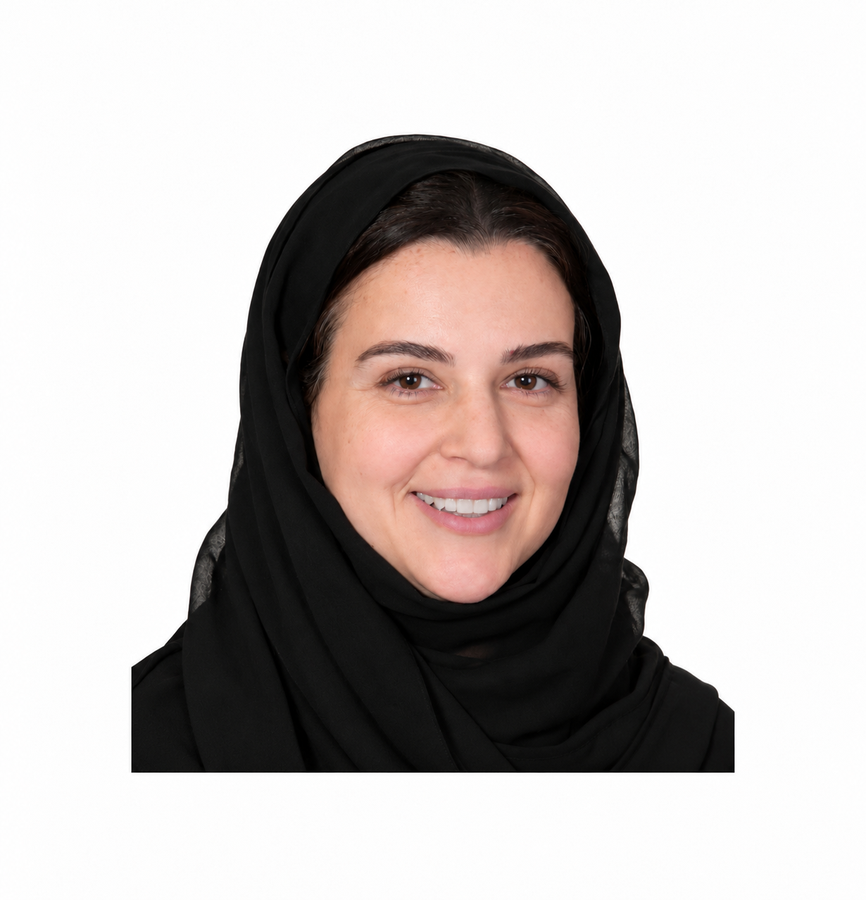
Few embody this reality more than Dana Halwani. Admitted to both the Saudi Bar and the New York State Bar — a distinction rare even by international standards — she stands as one of the pioneers of her generation. A mother of two and married to an artist, she hardly fits the stereotype of a lawyer whose sharpness clients value most. She looks strikingly young, yet her voice carries a clarity and focus that leave little doubt about her authority.
Her career began before the reforms linked to Vision 2030, at a time when female lawyers were few and their presence in courtrooms was still questioned. Today, she is a partner at Derayah LLPC, one of Saudi Arabia’s most respected law firms. Her clients include multinational corporations and well-known Saudi businesses. She represents not just a personal success story but a wider argument for why law matters for Saudi women — as professionals shaping the legal system, as citizens seeking protection, and as an indispensable force in Saudi Arabia’s evolving landscape.
Q1: You are one of the few Saudi lawyers who has navigated both the New York and Saudi legal systems. How did moving between such different frameworks shape the way you think about law and justice?
A: While my knowledge of New York law and the US legal system is limited to the relevant subjects from my LLM program and studying for the New York bar exam, I can tell you the two legal systems are very different. The US legal system is primarily a common law system while in Saudi Arabia, the legal system is based on Shariah law but resembles in many ways civil law legal systems. I think that having Islam/Shariah at the core of our legal system is special and sets us apart from most jurisdictions. Unlike with secular laws, there is a sense of justice and fairness knowing that many aspects of Saudi law are derived from Shariah.
Q2: That perspective must also sharpen your view on Saudi Arabia’s own legal reforms. In recent years, Saudi Arabia has passed new laws and regulations at a rapid pace. Which of these, in your experience, have had the most tangible effect on everyday life?
A: Indeed there have been many reforms across almost all areas of law. It is not a particular law or regulation I would say, but the most impressive reform is the digitization of procedures and applications that previously required significant hours and waiting times. Today, I can incorporate a company almost entirely from my computer. This was not the case when I first started working and applications were submitted manually. I remember I would sit in a government representative’s office while he thoroughly reviewed my application and if anything was missing, I was required to go back the following day to re-submit. It was of course better for billing but less efficient for our clients.
Q3: Reforms have also opened new doors for women. When you began your career, female lawyers were still a rarity in Saudi courtrooms. How do you see that landscape today, and what challenges remain for women entering the profession?
A: It has been almost 15 years since I started my career and I want to say that we have come a long way. In fact we have come so far I forget what it was like when I first started. Back then, courts and some government buildings were not fully equipped to receive female lawyers in accordance with the standards in force at the time. I remember needing to wait outside a courtroom for my hearing but there was no designated waiting area for ladies and the court clerk did not know how to handle the situation. In contrast, today no one would even blink if I enter a meeting or walk into a government office.
It makes me so happy to say that there are no challenges or disadvantages to being a female lawyer. While writing this I am assisting a client in hiring their general counsel and gender was not even discussed as a criteria for the candidates. This really shows that it no longer matters whether you are male or female, it is the skills and qualifications that truly matter.
Q4: Much of your practice focuses on corporate and project law, an area that directly connects Saudi Arabia with the outside world. When international companies first arrive here, what are the most common misunderstandings they bring about the legal environment?
A: That it is complex and difficult to navigate. Many investors are actually surprised to learn that they can set up a company in less than two weeks once all documents are ready and I have personally set up companies in less than a week from start to finish. That being said, setting up a company is one thing and operating a company is another. In order to efficiently and properly run a company, a general manager (Saudi or non-Saudi) is needed on the ground and complications arise when foreign investors try to manage a company remotely from outside the Kingdom. So, many times when clients complain about facing issues post incorporation, it is usually because they did not make the effort in hiring a competent manager and we are not shy in communicating this to them.
Q5: Disputes are inevitable in business. But in Saudi Arabia, resolution often carries a cultural as well as a legal dimension. How does Saudi culture shape the way disputes are handled compared with what you’ve seen abroad?
A: I want to say the impact of tradition on dispute resolution has decreased in recent years with the reforms and developments that have taken place. When hearings took place physically in court rooms, our culture made its way to different parts of the dispute resolution process but now with online hearings it is less prevalent.
Q6: Looking further ahead, as Saudi Arabia continues to modernise while holding onto its traditions, what kind of legal system do you imagine the country will have ten years from now?
A: I imagine (and hope) that we continue to hold on to tradition, especially maintaining the Arabic language as the sole and official language of the Kingdom as it is so important for our cultural identity. I see the legal system quickly adapting to modern requirements, especially in the field of artificial intelligence. I also predict that more areas of Sharia law will be codified. It is exciting to watch everything unfold and to be a part of a series of changes impacting the legal field and the continued growth and development in all sectors.




 Oct 21, 2026


0 Comments
No comments yet. Be the first to comment!