 Sep 24, 2026
 Comments
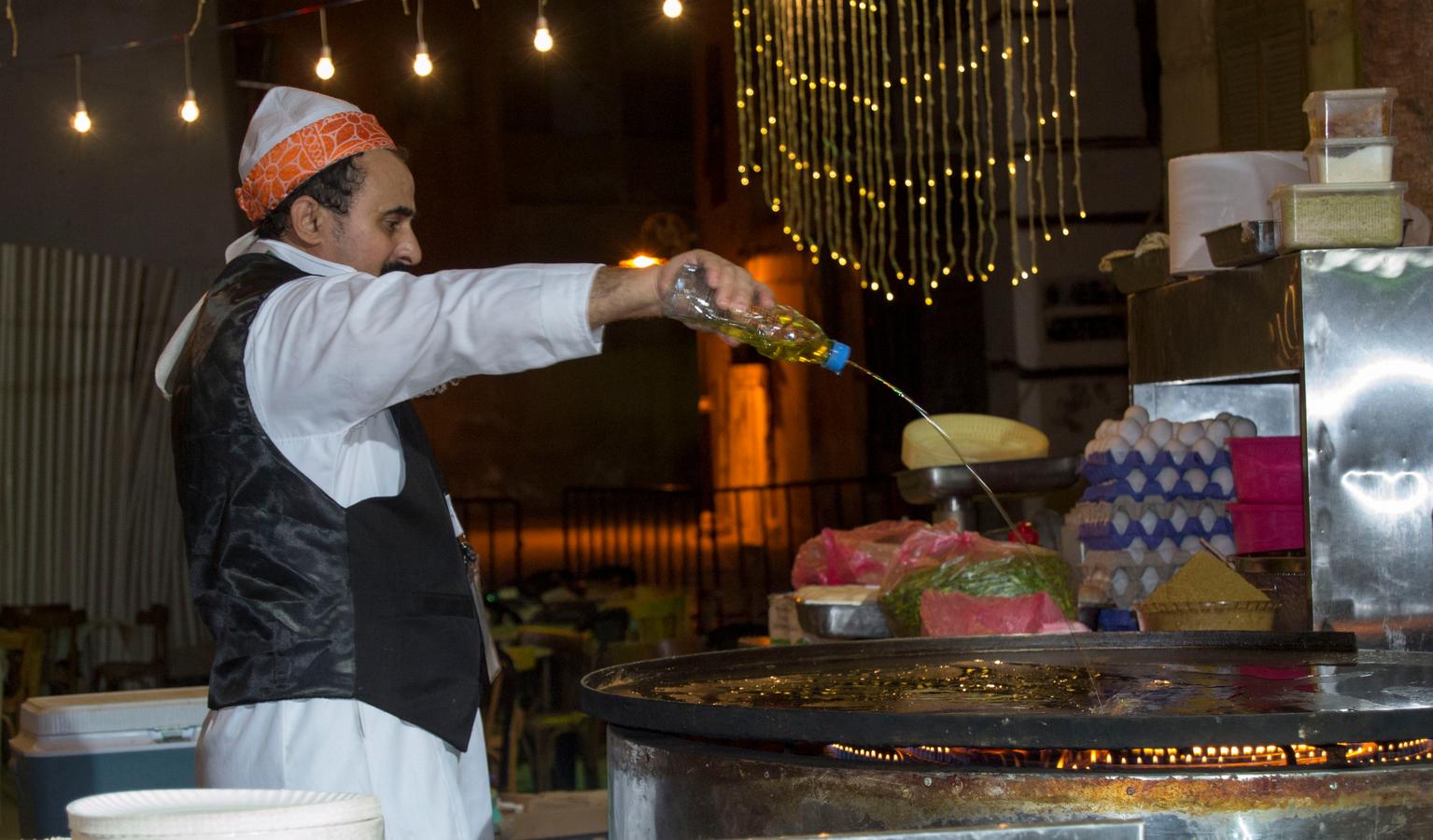
Saudi Arabia’s dining scene made The New Yorker earlier this month. British baker, writer and Bake Off finalist Ruby Tandoh took a very deep dive into the Kingdom’s culinary ambitions as it held its first Michelin awards. It’s a confrontational, thoughtful and often quite funny piece which examines Saudi Arabia’s increasingly expensive appetite for culinary recognition.
“Saudi Arabia’s Pursuit of Michelin Stardom" wasn’t specifically meant for a Saudi readership - although Tandoh spent enough time on the ground for it to ring true. But anyone reading it in or from the Kingdom would perhaps have come to a similar conclusion; are we building a food culture that reflects our changing society, or one that reassures outsiders we have changed?
Saudi Arabia has never lacked hospitality. What it increasingly seeks is international certification, and Tandoh successfully captures the gap between celebrity dining and local generosity. A famous chef’s name can be imported at considerable expense. The Saudi instinct to order enough food for twice the company comes without a consultancy fee.
Yet interpreting the restaurant boom solely as a national branding exercise - as Tandoh’s piece quite often suggests - overlooks its social meaning. Under Vision 2030, restaurants and cafés have become visible settings for a changing public life. For Saudis, their value includes the freedom to meet, work and socialise. An overpriced coffee can still accompany a meaningful change.
The harder question is who benefits. When foreign restaurant brands receive backing while Saudi chefs struggle for authority, internationalisation risks becoming a hierarchy. Saudi ingredients supply the story; imported names collect the prestige. Our culinary heritage should offer more than decorative touches on somebody else’s menu.
Saudi food culture also deserves recognition in its regional variety. The jareesh and marquq in Tandoh’s account suggest possibilities beyond the familiar luxury formula. Building confidence in such dishes requires skilled cooks, viable businesses and curious customers.
Affordability matters, too. A restaurant economy aimed principally at wealthy tourists offers a narrow version of progress. So do kitchens where prestige at the top depends on workers whose conditions receive far less attention than the plating.
Michelin recognition could encourage standards and help Saudi culinary tourism. But awards are an outcome, not an economic strategy. A dining scene needs repeat customers more than opening ceremonies.
For us, success should mean respected hospitality careers, thriving Saudi restaurants and regional cooking reaching wider audiences. Tandoh’s article is most useful as a challenge to our measures of achievement. The decisive inspection happens when the bill arrives: does the customer want to come back?










 Sep 23, 2026


0 Comments
No comments yet. Be the first to comment!