 Oct 1, 2025
 Comments

Saudi Arabia is a hot country, and summers are best avoided if possible. Yet the Saudi Arabia climate is not uniform: while the western coast is hot and humid, the central desert grows intensely dry, and the northern regions even see snow in winter. These differences mean the timing of a trip depends on both the destination and the experience you are seeking.
What months are most comfortable? For most travelers, the best time to visit Saudi Arabia is between September and May. During these months, the Saudi Arabia weather is milder and evenings cooler, making it easier to explore cities or travel between them. This period also coincides with an increase in Umrah visitors, since the pilgrimage is far easier in cooler conditions.
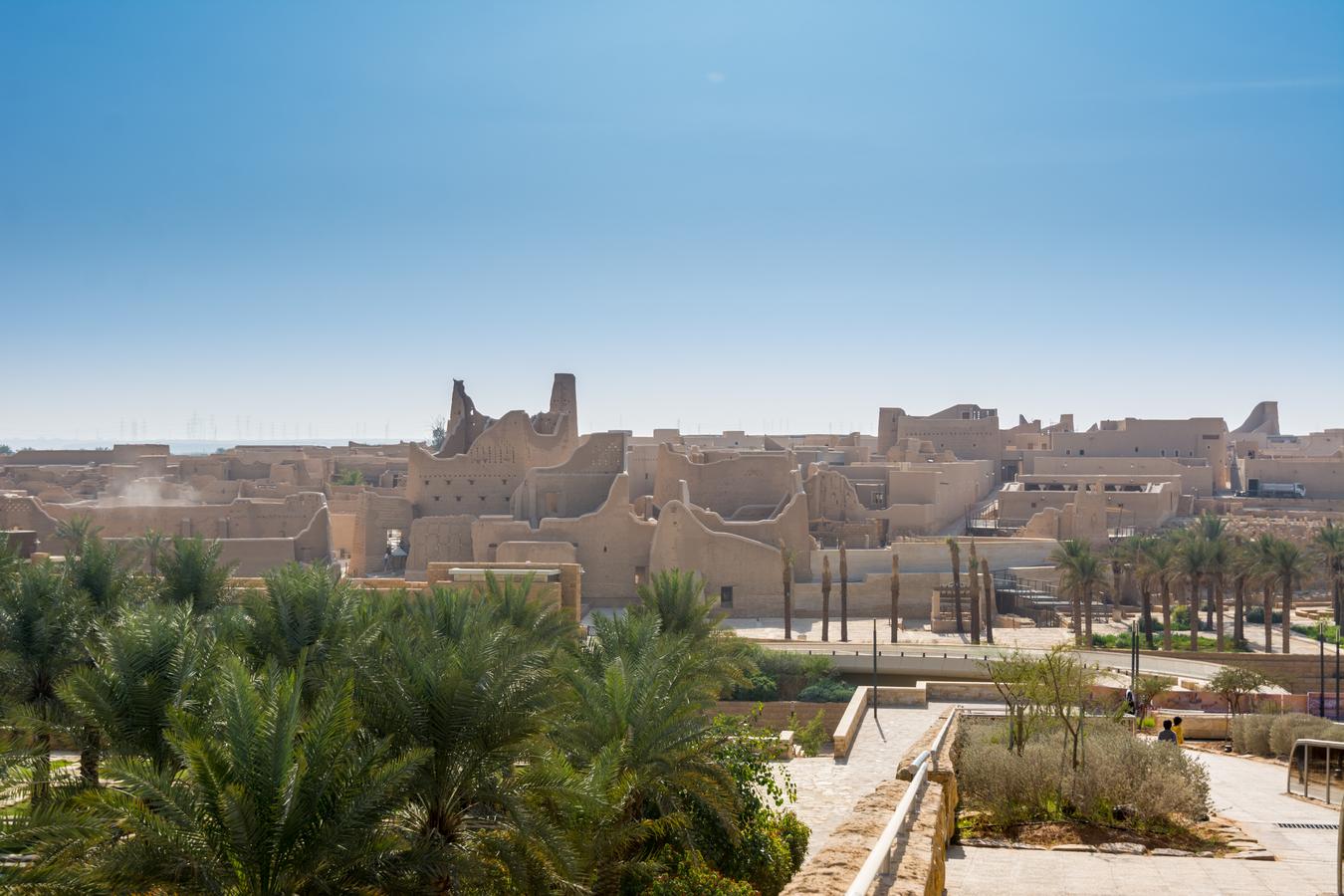
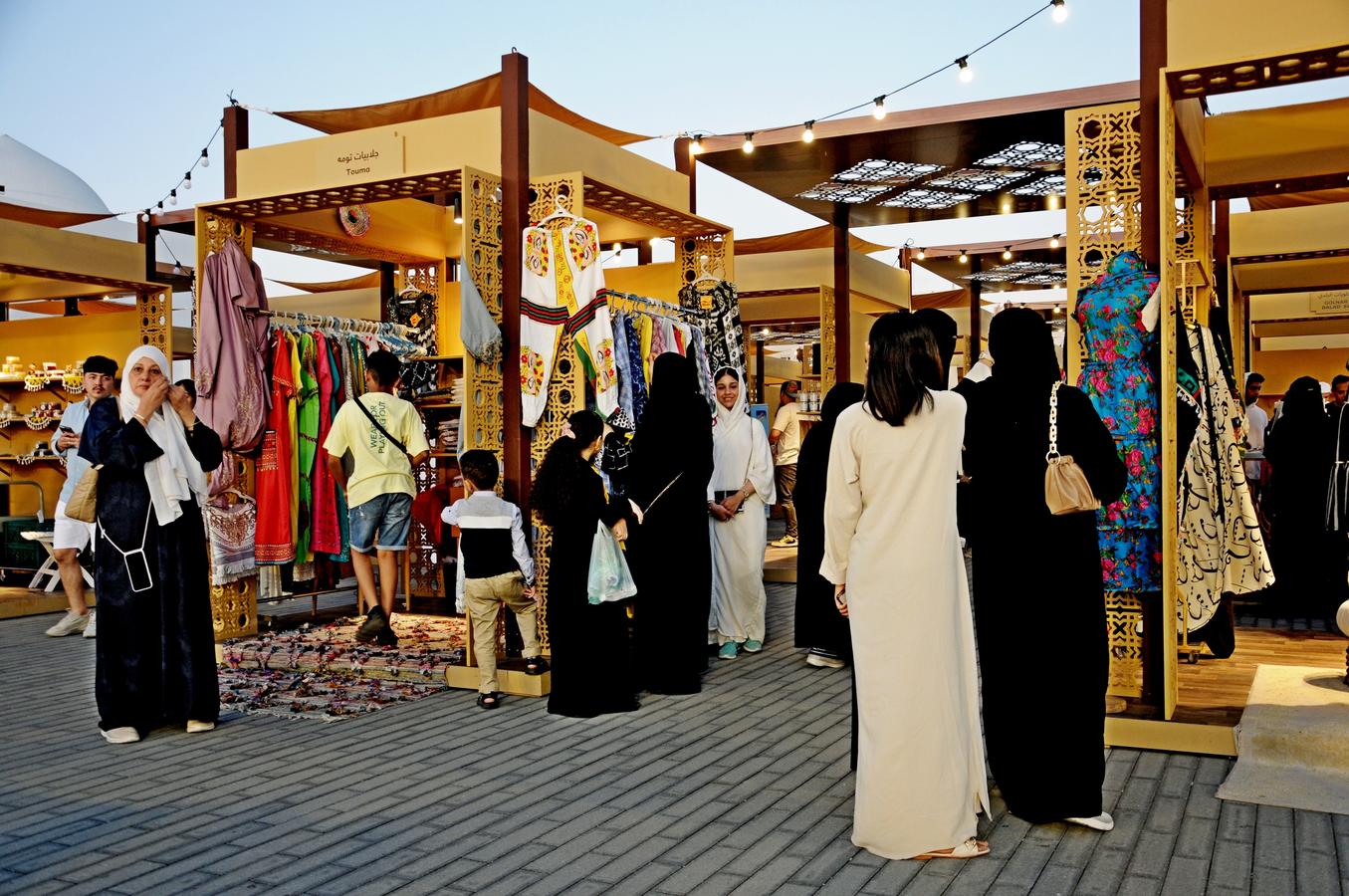
What should tourists keep in mind? With the opening of many new destinations, it is important to check the weather of each region before planning. Jeddah’s climate in winter is very different from AlUla’s desert nights or the mountain towns in the north. A trip that combines regions can feel like moving across seasons. For those considering Saudi Arabia summer travel, most activities shift indoors during the peak heat, while winter allows for open-air festivals and desert excursions.
What about traffic and holidays? Beyond the weather, timing also matters for movement inside the country. Traffic becomes especially heavy on religious occasions and national holidays, particularly around Saudi National Day in late September and during Ramadan. Hajj season transforms Mecca and Medina, making them accessible only to pilgrims and affecting surrounding routes.
In short, the best time to visit Saudi Arabia depends on whether you want mild winter evenings, the spiritual atmosphere of Ramadan, or the quieter pace of the off-season. Planning with both climate and calendar in mind makes the difference between a bearable trip and a memorable one.










 Oct 21, 2026
0 Comments
No comments yet. Be the first to comment!