 Nov 4, 2026
 Comments
Saudi Arabia’s King Abdulaziz Foundation for Research and Archives has approved an Executive Program on Saudi History, planned for launch in the second quarter of 2027. It will train participants to analyse historical events, verify sources and support research and preservation. Saudi history is already presented to the public at institutions such as the National Museum in Riyadh and the museums of Diriyah. But understanding a country's history also means listening to the stories passed down within its families.
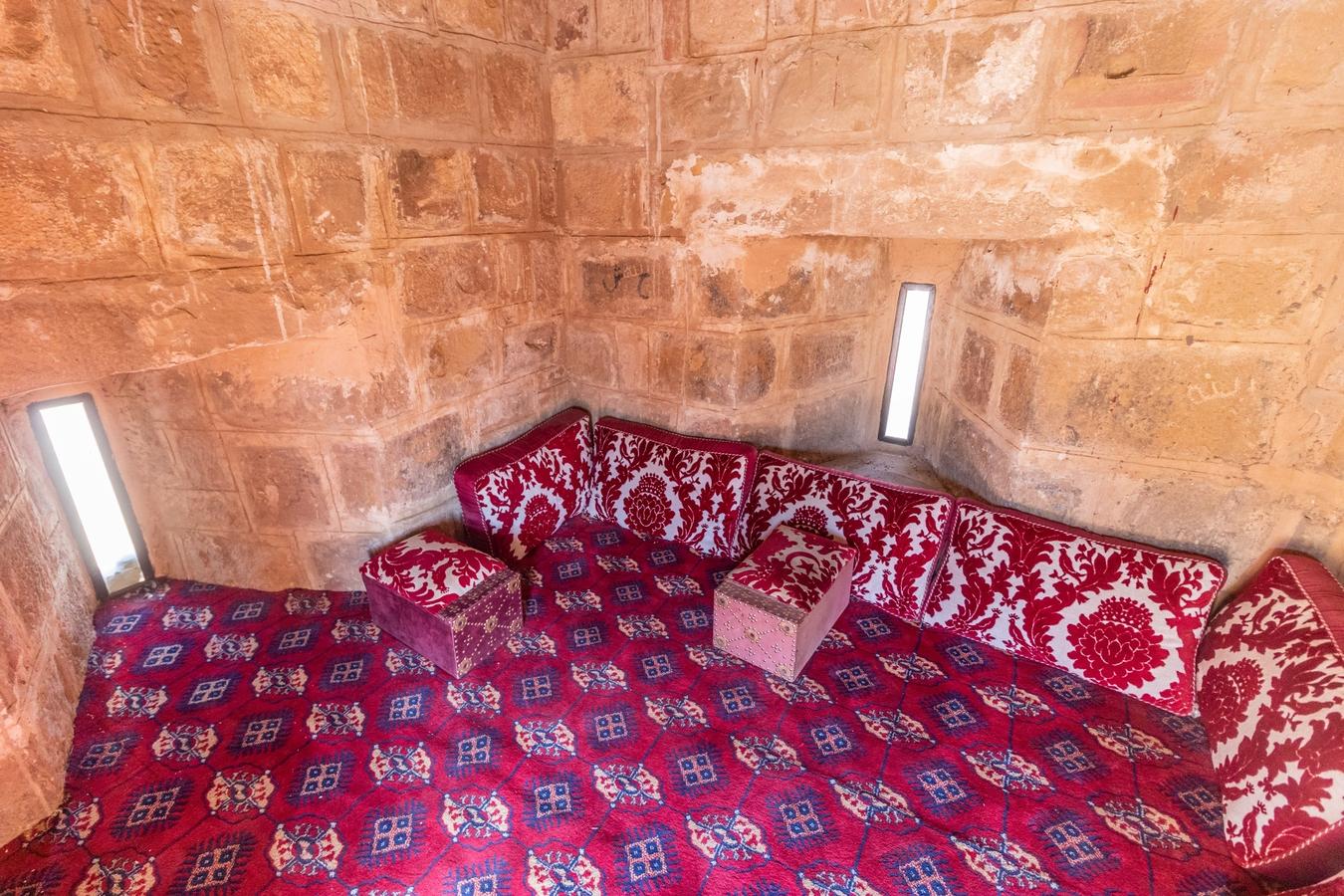
My grandparents, parents and other older relatives have shared memories of how people lived: how they travelled between cities, what homes were like and how hospitals and government offices developed. My grandfather told us about meeting the King. My uncle described his work helping develop regulations at the Zakat Authority. These family stories are small windows onto a wider transformation—in public institutions, daily routines and the relationship between people and the state.
At school, history often seemed to focus on empires, rulers and the formation of the Saudi states. Those subjects are essential, but they do not always show how change was experienced in different regions or households. A road between cities, a new hospital or the rules of a government office can tell us something about how the country changed—and how people helped shape that change.
Family memories are not a substitute for historical evidence. They can be incomplete, and details should be checked against documents and other sources. But they can lead researchers to questions that official records alone may not answer. They also preserve experiences that were never written down, particularly from a time before recording daily life was easy.
The new programme’s emphasis on research and source verification is therefore important. Its lasting value will depend on whether careful history reaches beyond specialists and into classrooms and public life. Students should encounter not only major political turning points, but also the changing homes, journeys, workplaces and institutions that shaped their families’ lives.
Saudi society has changed quickly. Recording how people lived through that change is not nostalgia; it helps explain the country we live in today. A richer history can begin with the documents in an archive—and with the stories families still tell around the table.



 Nov 4, 2026

0 Comments
No comments yet. Be the first to comment!