 Oct 28, 2026
 Comments
Few people would have expected a story about a Greek hero's long journey home, written nearly 3,000 years ago, to become such a talking point in Saudi Arabia. Yet Christopher Nolan's The Odyssey attracted audiences across generations and backgrounds, and its success caught my attention for reasons that go beyond the box office.
Saudi poet and scholar Hatem Alzahrani explores some of these cultural connections in his interview with Arab Gulf Sates Insititute (AGSI). One aspect of the discussion particularly interested me: what the response to a Greek epic might tell us about the changing interests and cultural appetite of Saudi audiences.
I was struck not only by the number of Saudis who went to see the film, but by the variety of people it attracted. Students, housewives, young and old, and people who had simply heard about it from friends were among its audiences. Even Saudis living abroad made a point of watching it, I was told. What surprised me was that a story rooted in ancient Greek mythology, a world largely unfamiliar to most of us, could attract such broad interest. My 21-year-old niece, a film enthusiast like me, even called to insist that we see it together. I had not expected Homer's world to find quite so many enthusiastic viewers in Saudi Arabia.
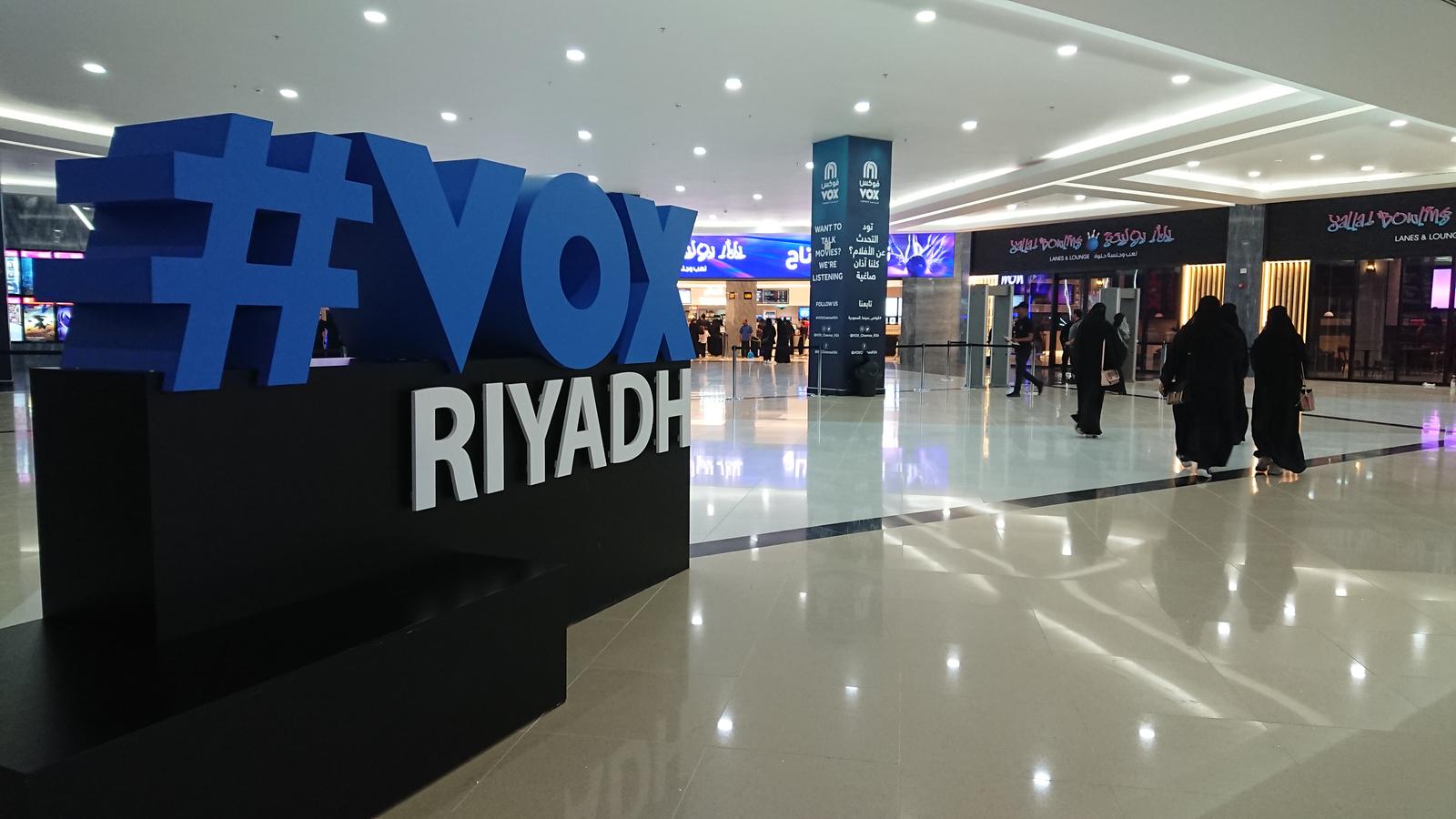
This interest is part of a wider change. Cinema has become part of everyday life in Saudi Arabia. When theatres reopened in 2018, going to the cinema was still something of an occasion. Today, it is one of many ways people spend their time together. It offers entertainment, a chance to meet friends, a change of scene and, sometimes, a welcome escape from daily pressures. It has become a spontaneous part of social life and, just as importantly, a window on the world.
As Wid A., a mother of four, told SaudiTimes this year: “My friends and I go to the cinema because it makes us happy. We laugh, enjoy ourselves, experience something different and have something to talk about afterwards.”
The response to The Odyssey also raises a question closer to home. Saudis are increasingly curious about other cultures, but I believe there is a parallel interest in rediscovering their own. In fact, curiosity about the world can also make people look at their own heritage differently.
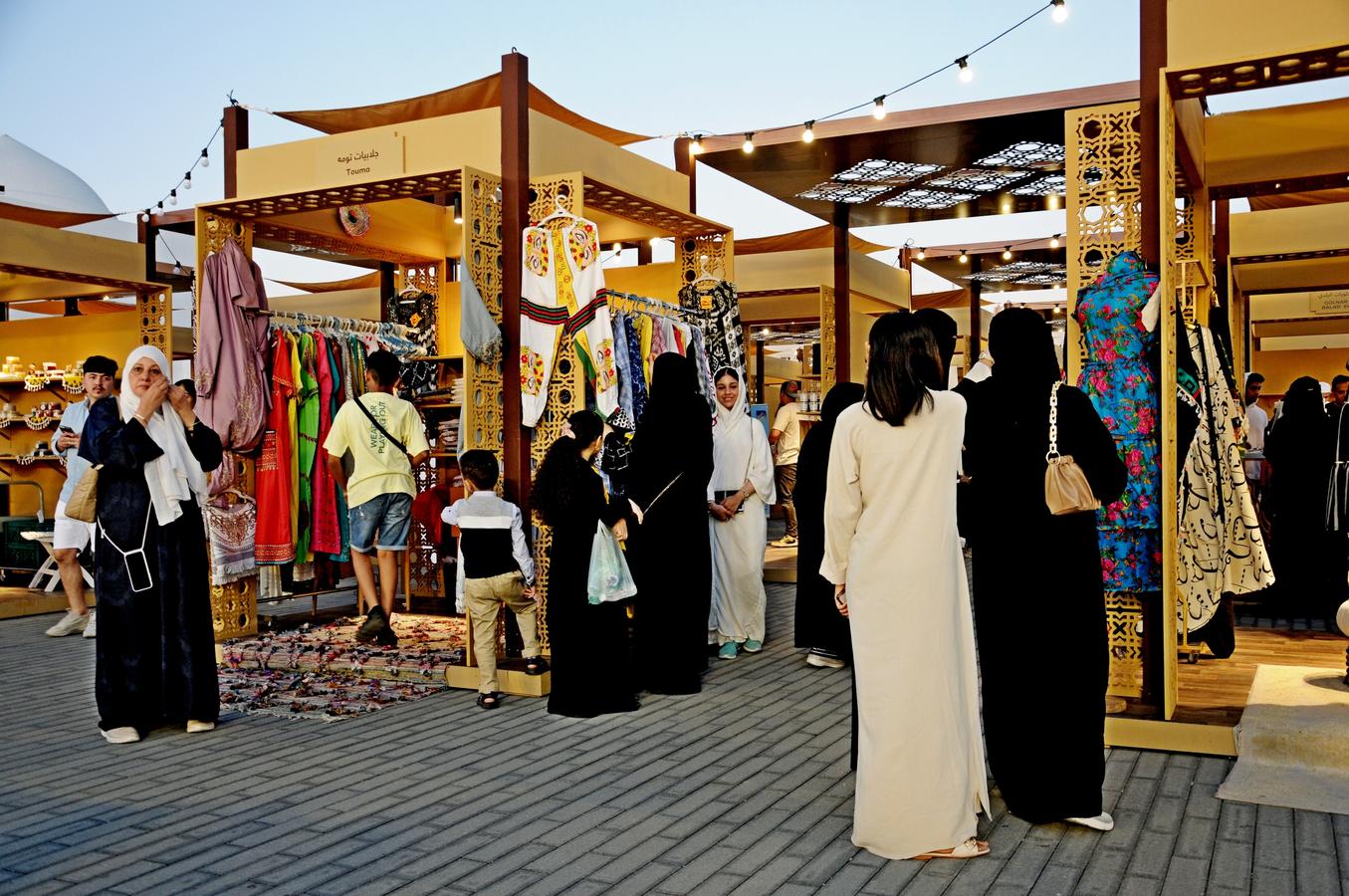
For years, Saudi heritage was often presented in narrow and rather predictable ways, particularly in schoolbooks and at cultural events. Much of the richness of Saudi culture and the lives of its people was there, but the presentation did not always bring it to life. Today, festivals, book clubs and new cultural spaces are offering different ways to explore, discuss and experience that heritage.
This is why the interview with Hatem Alzahrani is particularly relevant. His discussion of the connections between Greek and Arabic literary traditions challenges the idea that these are separate cultural worlds. The Odyssey and The Iliad can open a conversation about the Mu'allaqat, Arabic epic poetry and the storytelling traditions that have shaped the region for centuries.
For Saudis, the challenge has never been a lack of stories. Saudi Arabia has a deep literary and oral heritage, expressed through poetry, writing and generations of storytelling. The challenge is finding contemporary ways to bring these stories to life and make them accessible to audiences at home and abroad, through film, television, translation and other forms of storytelling. There have already been attempts to bring Saudi stories to the screen, some of which SaudiTimes has covered, but there is still a long way to go.
The success of The Odyssey is a reminder that a compelling story can cross centuries and borders. Saudi Arabia has stories of its own. The question is how to tell them in ways that make people want to listen.






 Oct 28, 2026
0 Comments
No comments yet. Be the first to comment!