 Aug 24, 2026
 Comments
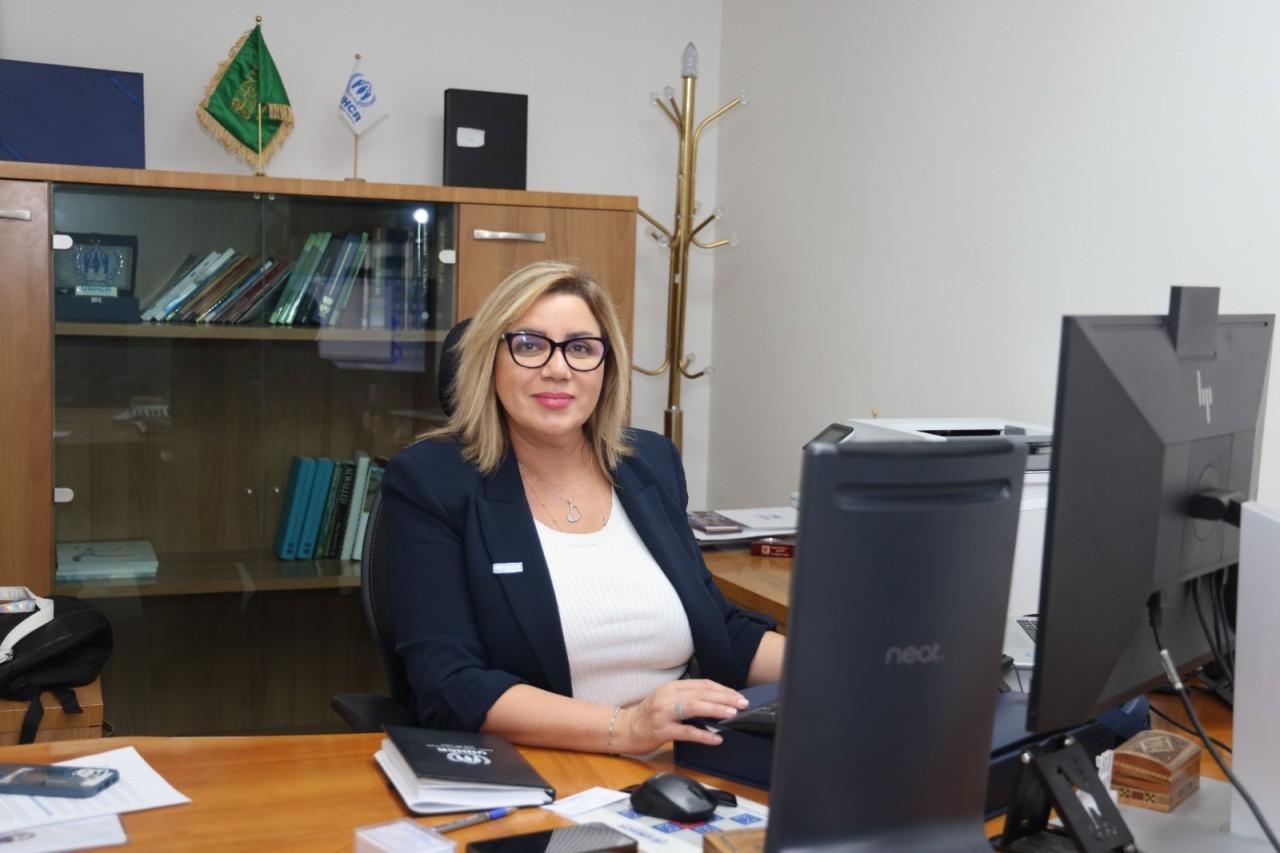
Q: How Saudi Arabia’s social transformation is reshaping its approach to refugee aid?
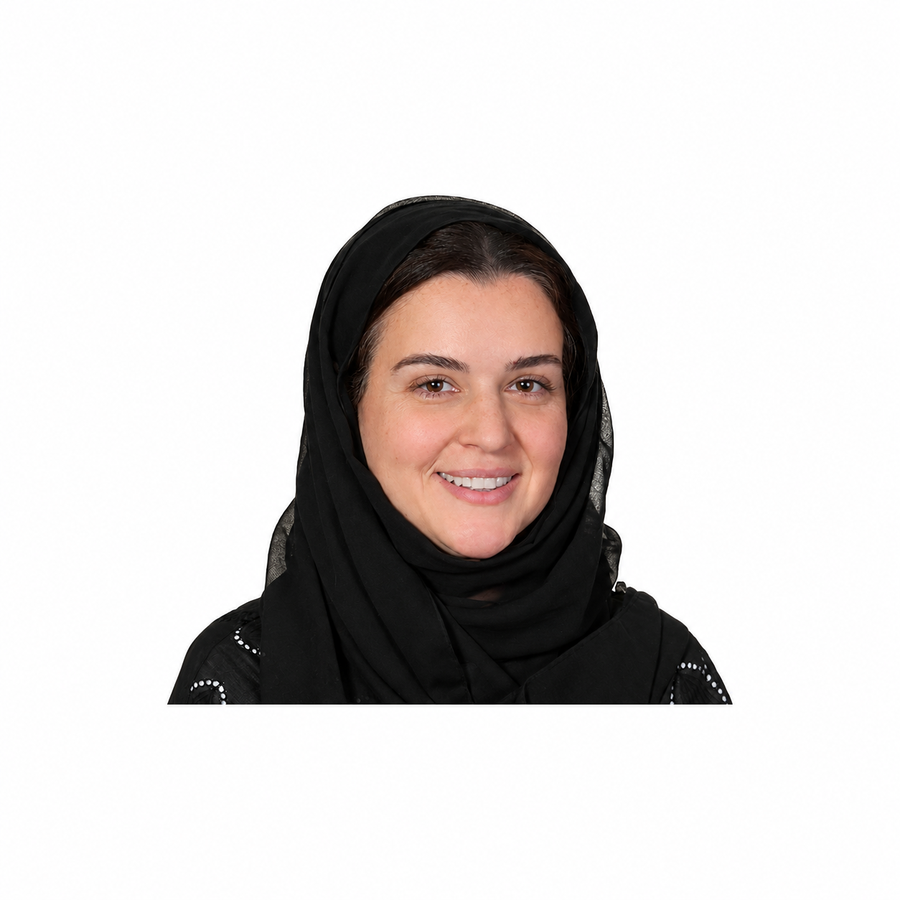
For a lawyer trained in the dense thickets of European asylum law, working on displacement across North Africa, the Middle East, East and West Africa and Europe, is standard fare. Doing so from Riyadh is less conventional. Yet as Deputy Representative for the United Nations High Commissioner for Refugees (UNHCR) in Saudi Arabia, Dr Nadjia Hafsa occupies a distinct vantage point. Born in Algeria and seasoned by two decades in international humanitarian law, she has watched the Gulf’s role in global aid evolve into a more complex, structured engagement. As Saudi Arabia remakes its domestic social fabric under Vision 2030, its approach to international relief and hosted populations is shifting too. On the margin of the World Humanitarian Day and in an interview with SaudiTimes, Dr Hafsa discussed the reality of on-the-ground protection, the role of local culture in shaping international aid, and why global policy narratives often miss the point.
Q: You’ve spent more than twenty years working across Africa, the Middle East, Europe, and the Gulf. What drew you to humanitarian and refugee work, and how have those experiences shaped your approach today?
My journey into humanitarian work came from a combination of legal training, an interest in displacement and human rights, and a deep belief that dignity and protection should not depend on nationality, status, or circumstance. Refugee work sits at the intersection of law, humanity, diplomacy, and development, and that complexity has always appealed to move to content me. My work as a lawyer, a university professor, and a researcher in human rights issues combined with cooperation with international organizations led to a deep interest in dedicating my career to refugee and humanitarian work.
Working across different regions—from Africa to Europe and the Middle East—has taught me that displacement is never only a humanitarian issue; it is also social, economic, and developmental. Every context is different, but human aspirations remain the same: safety, dignity, education for children, opportunities, and hope for the future.
These experiences have shaped my approach toward listening first, building partnerships, and understanding local realities before proposing solutions. Humanitarian work succeeds when it is not done for communities, but with communities.
Q: When you were posted to Saudi Arabia after working elsewhere, what differences did you notice in how migration and social issues are addressed compared with other countries in the region?
One of the things that struck me most was the strong emphasis on family, social cohesion, and collective responsibility. Saudi society places significant value on solidarity and community support, and these values naturally influence approaches to social and humanitarian issues.
I also observed a rapidly evolving humanitarian environment.
Saudi Arabia today is undergoing a profound transformation under Vision 2030, and this is reflected in broader discussions around inclusion, social development, women’s empowerment, and international engagement.
Another important element is the Kingdom’s humanitarian footprint beyond its borders. Saudi Arabia plays a significant role internationally through its humanitarian and development institutions, supporting crises in many regions. What I found particularly interesting is the growing emphasis not only on emergency response but also on resilience and long-term recovery.
The partnerships my organization builds in Saudi Arabia reflect a shared commitment to humanitarian values, solidarity, and collective responsibility, underpinned by a common vision of delivering meaningful and lasting impact to those forced to flee their homes. Saudi Arabia continues to invest not only in humanitarian assistance, but also in human potential—fostering resilience, restoring hope, and creating pathways toward a more secure and dignified future for communities affected by displacement and crisis.
Q: International coverage often focuses on policy rather than practice. From your perspective, where do perceptions of the Kingdom’s humanitarian role diverge from the reality on the ground?
International discussions sometimes focus primarily on political narratives or funding figures, while the operational and humanitarian dimensions receive less attention.
From my experience, the reality is that Saudi Arabia has become an important humanitarian actor globally. The Kingdom supports responses across multiple crises and increasingly contributes to recovery, resilience, and development efforts. There is also strong engagement with international organizations and humanitarian partners.
What is perhaps less visible internationally is the depth of technical discussions that happen behind the scenes—around implementation, accountability, impact, value for money, and ensuring assistance reaches people effectively. These are important conversations because they reflect a maturing humanitarian ecosystem.
I also believe that Saudi Arabia brings an important perspective to global humanitarian action by linking solidarity, faith-based giving traditions, and development approaches.
Since my arrival in Saudi Arabia, one of my personal and professional objectives has been to contribute to a broader understanding of the Kingdom’s humanitarian role and help enrich the narrative around it. I
nternational discussions often focus primarily on financial contributions—and indeed Saudi Arabia is an important humanitarian donor globally—but I believe the story goes beyond funding.
It is also important to highlight the support provided in practice: the hosting of populations from crisis-affected countries, the facilitation of their stay, access to services and opportunities, as well as efforts that enable people to live with dignity. Showcasing these dimensions helps provide a more complete picture of the Kingdom’s contribution to humanitarian action.
Q: Culture and family structures play a key role in your work. How do these social factors influence the design and implementation of programs for refugees and displaced communities?
Culture is not an external factor in humanitarian work—it is central to it.
One of the strengths of my organization, UNHCR, and something that I value deeply in our work, is that we are fundamentally people-centered. Our approach is community-based, meaning that we do not design programs for people in isolation; we design them with the affected communities themselves.
Family structures, social networks, and community dynamics often determine whether people recover successfully after displacement. In many societies, including across the Middle East, family remains the primary source of support, identity, and resilience.
Therefore, before designing any intervention, we engage directly with affected populations through participatory assessments and consultations. We speak with women, men, youth, older persons, community leaders, and different social groups to understand not only their needs but also their priorities, capacities, and concerns.
This process is essential because displacement affects people differently. The needs of women may differ from those of youth; older persons may have different vulnerabilities; children and adolescents have specific educational needs. By listening to all groups, we can jointly shape responses that address needs while respecting social norms, preserving social cohesion, and strengthening community resilience.
Another important dimension is localization. Increasingly, humanitarian action recognizes that communities themselves are often best placed to identify solutions. Therefore, whenever possible, programs are implemented through local actors, community groups, and local organizations that understand the context, culture, and social fabric. Their knowledge is invaluable because they already have the trust of communities and understand local realities.
We have learned repeatedly that communities themselves often hold the solutions. Our role is not to replace local capacities, but to support, strengthen, and accompany them. This makes programs more effective, more sustainable, and ultimately more dignified for the people we serve.
Q: Culture and family structures play a key role in your work. How do these social factors influence the design and implementation of programs for refugees and displaced communities?
I think it is first important to clarify that migration and forced displacement are not always the same. A migrant often makes the difficult but voluntary decision to leave in search of better economic opportunities or improved prospects. A refugee, however, is someone who has been forced to flee because war, conflict, violence, or persecution has placed their life, safety, or freedom at risk.
This distinction matters because the needs are often very different.
When we receive refugees or communities fleeing conflict, we are often receiving people who have gone through profound trauma. Many have lost family members, homes, careers, documents, and the social fabric that shaped their lives. They often arrive having left everything behind to seek safety in a foreign country where they must rebuild from the beginning.
This is why we often say that it takes courage to be a refugee. At the same time, anyone can become a refugee. The world today reminds us that conflicts can emerge unexpectedly and affect regions that may have appeared stable only months before. Displacement can happen to anyone, anywhere.
In practical terms, supporting refugees means starting with the essentials. It means ensuring people have safe shelter, access to food and basic services, helping families obtain documentation, supporting children to return to school, ensuring access to healthcare, and creating conditions for protection and safety.
But support goes beyond material assistance.
Healing is equally important. Many displaced people carry trauma, grief, and uncertainty. Psychosocial support, therefore, becomes essential to help individuals and communities recover and regain a sense of stability and dignity.
Another important reality is that displacement, which people initially hope will be temporary, often lasts much longer than expected. Months become years. During this period, people need opportunities to use their skills, regain self-reliance, and support their families. This is why livelihoods, education, and income-generating activities are so important.
They help people live with dignity, contribute positively to their communities, and reduce dependency.
At the community level, humanitarian support also focuses increasingly on resilience by strengthening schools, health systems, local capacities, and host communities so that support benefits everyone.
Ultimately, humanitarian work is about accompanying people in one of the most difficult moments of their lives—helping them move from survival to recovery, from recovery to stability, and eventually toward hope. This is the day-to-day work of humanitarian professionals around the world: supporting people not only professionally, but with a deep commitment to human dignity and solidarity.
Q: Looking ahead, as displacement continues globally, how do you see refugee protection evolving, and what lessons from your work in Saudi Arabia and the wider region might inform broader international approaches?
Displacement today is increasingly shaped by complex and interconnected factors: conflict, climate pressures, economic fragility, and geopolitical changes. As a result, refugee protection is evolving beyond emergency response toward longer-term approaches that integrate humanitarian action, development, and resilience.
One important lesson from Saudi Arabia and the wider region is the value of partnership and solidarity. The region has strong traditions of hospitality, social support, and philanthropy, including Islamic giving mechanisms, which can contribute meaningfully to global humanitarian responses.
Another lesson is the importance of investing in dignity and self-reliance. Refugees are not only beneficiaries of assistance; they are individuals with skills, aspirations, and capacities.
I also believe the future of refugee protection will require broader coalitions—governments, international organizations, development actors, the private sector, academia, and communities themselves working together.
Ultimately, protection must remain human-centered. Behind every global statistic is a person rebuilding a life, and that should continue to guide our collective efforts.






 Oct 21, 2026
0 Comments
No comments yet. Be the first to comment!