 Aug 27, 2026
 Comments
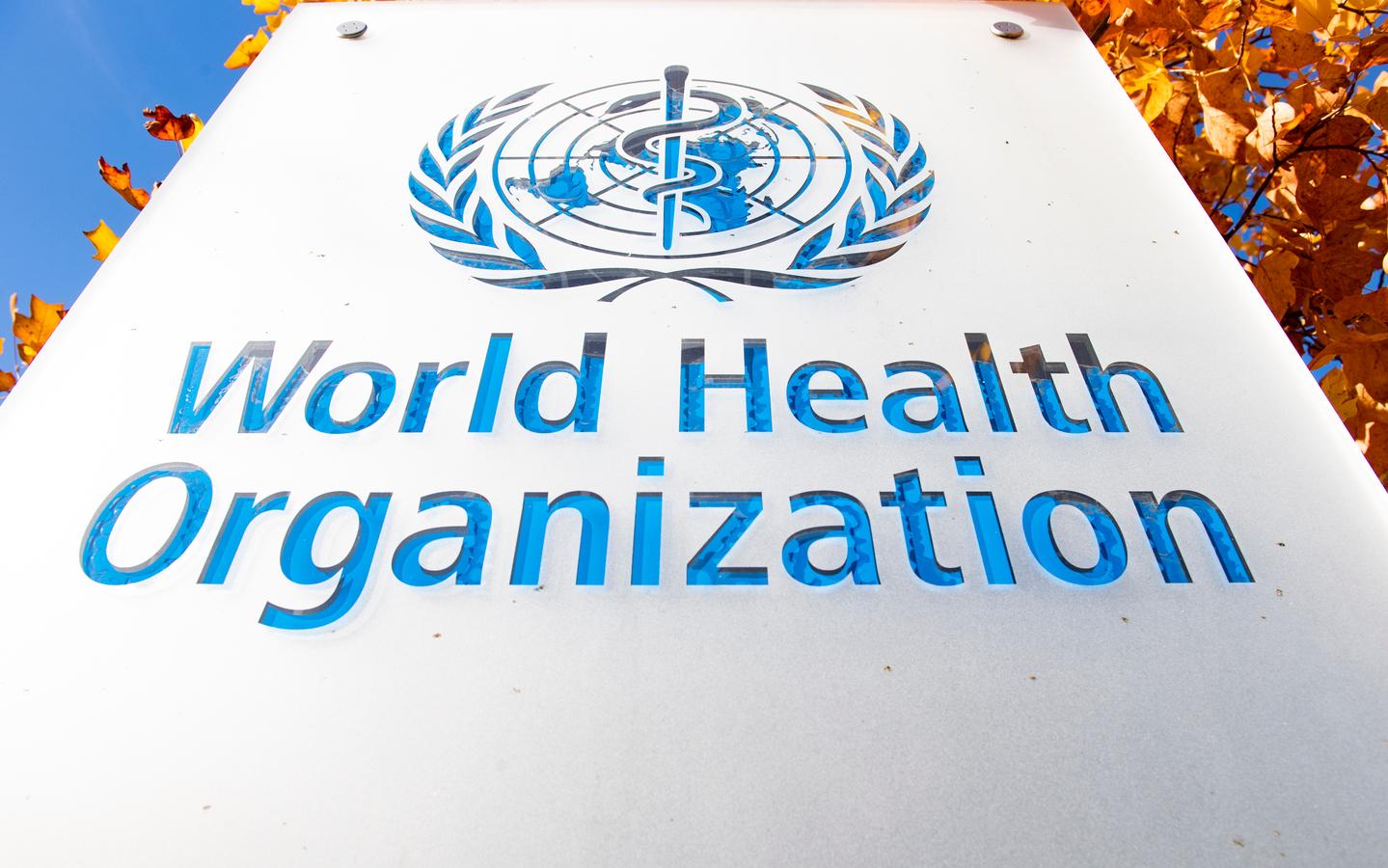
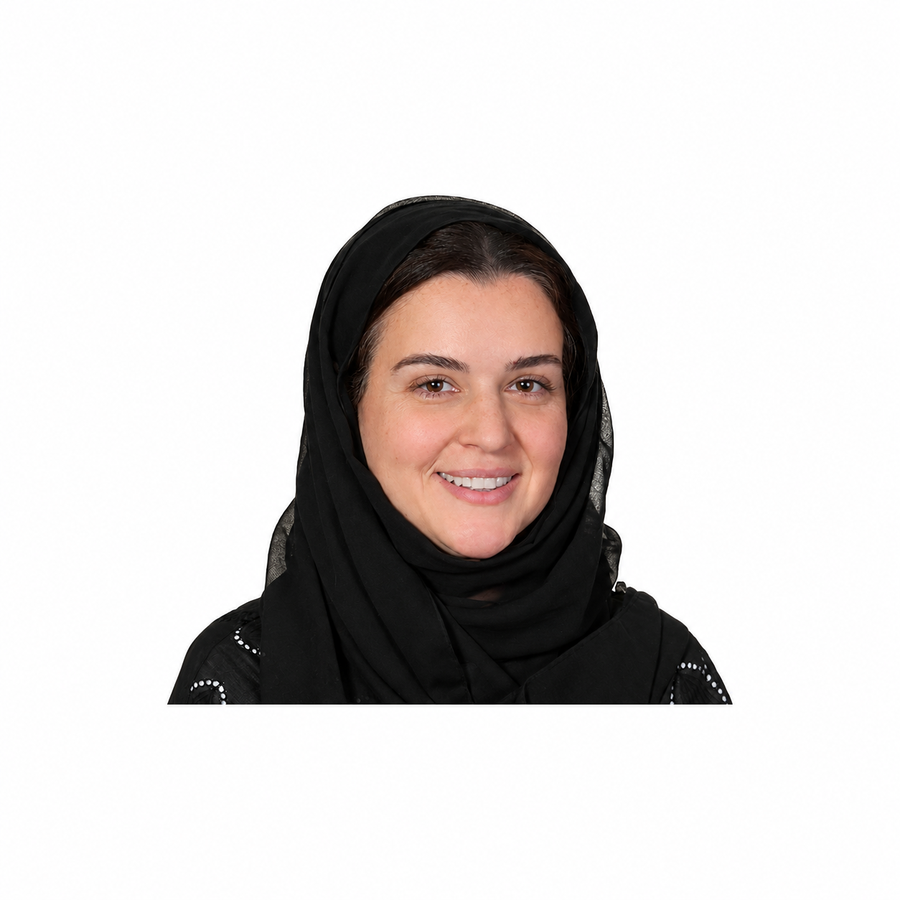
When Saudi Arabia nominated Dr Hanan Hassan Balkhy to become the next director-general of the World Health Organisation this week, I genuinely stopped in my tracks. It felt like a significant moment—for all the right reasons.
It also carried a deep personal resonance for me: Hanan and I attended the same school in Jeddah during the 1980s. At the time, few of us would have predicted that a Saudi woman from her generation would one day become a candidate to lead the world’s most important public-health organisation. Her nomination is therefore a measure not only of an individual career, but also of how much Saudi society has changed.
The Hanan I remember was kind, unassuming and almost always smiling. She worked hard without making a display of it; difficult things seemed to come easily to her. Personal memories cannot determine whether someone is qualified to lead a complex international organisation, but they can reveal qualities that professional biographies often miss.
Still, Dr Balkhy’s professional record is substantial. She has served as the WHO’s regional director for the Eastern Mediterranean since February 2024, becoming the first woman to hold that position. She previously led the organisation’s work on antimicrobial resistance and held senior infection-control roles in Saudi Arabia.
What is particularly pleasing about this well-deserved nomination, though, is that Dr Balkhy is not a lone pioneer. She is the latest in a long line of Saudi women to build an international career. Dr Thoraya Ahmed Obaid led the United Nations Population Fund from 2001 to 2010, becoming the first Saudi national to head a UN agency. Dr Tamader Al-Rammah later served on the UN Committee on the Elimination of Discrimination against Women, while Princess Reema bint Bandar became the first Saudi woman elected to the International Olympic Committee.
Their positions were different, but each widened the space available to Saudi women in international public life.
“It is a source of great pride to see a Saudi professional nominated for such an important role,” Prof Talal Bakhsh, a retired consultant in general surgery and traumatology at King Abdulaziz University in Jeddah, told SaudiTimes. “Saudi women have worked hard to earn opportunities that reflect their qualifications. Dr Balkhy’s nomination is the result of years of study, work and achievement. She is well qualified for the position.”
Pride, however, is only one part of the story. This may be a different level again. Dr Balkhy is seeking the politically demanding position of WHO director-general. The organisation’s next leader will inherit financial pressure, political division and lingering mistrust following the Covid-19 pandemic. Wars, displacement, emerging diseases and weakened health systems have made the WHO’s responsibilities more urgent while limiting its room for manoeuvre.
Saudi Arabia does, of course, have a long history of leadership within the WHO. Dr Hussein A. Gezairy served as regional director for the Eastern Mediterranean from 1982 until 2012. His 30-year tenure remains an important part of Saudi Arabia’s contribution to international public health.
Yet this nomination reflects an even greater desire to contribute to multilateral institutions rather than engage with them only from a distance. National pride should not prevent an objective assessment. The director-general must serve the WHO’s member states collectively, preserve its scientific independence and respond credibly when national interests conflict.
Dr Balkhy must therefore persuade governments that her experience extends beyond one country or region. They will want to know how she would prepare for future pandemics, confront antimicrobial resistance, improve access to medicines and rebuild confidence in international health co-operation.
For those of us who knew her in Jeddah, the nomination is a striking moment. There is warmth and pride in seeing how far an old schoolmate has travelled. But the most respectful way to consider her candidacy is to take it seriously—as recognition of her deep experience and skills, and as a bid for one of the most demanding positions in global public health.
A shortlist proceess will take place in January 2027 before member states make the final decision. For now, we should recognise both the achievement that Dr Balkhy’s nomination represents and the scrutiny that a position of this importance demands.









 Oct 21, 2026
0 Comments
No comments yet. Be the first to comment!