 Aug 26, 2026
 Comments
Which Ancient Civilizations Lived in Saudi Arabia?
Many people outside the region imagine Saudi Arabia as a country whose story begins with oil. In reality, the Arabian Peninsula has been connected to major civilizations for thousands of years. Ancient trade routes once crossed what is now Saudi Arabia, carrying incense, spices and goods between Asia, Africa and the Mediterranean world.
Civilizations such as the Nabataeans, Lihyanites and Thamudic tribes left behind tombs, inscriptions and archaeological sites that still survive today. AlUla is probably the clearest example. Visitors are often stunned when they see massive rock-cut tombs rising out of the desert because they never expected to find something resembling Petra inside Saudi Arabia.
For many Saudis, this rediscovery of ancient history feels important. The country is increasingly presenting itself not only as an oil power or religious centre but also as one of the oldest historically connected regions in the Middle East.
Which Historical Places Surprise Visitors?
AlUla surprises almost everyone. Foreign visitors often arrive expecting only modern cities and desert highways, then suddenly find ancient tombs, dramatic canyons and landscapes that feel almost cinematic.
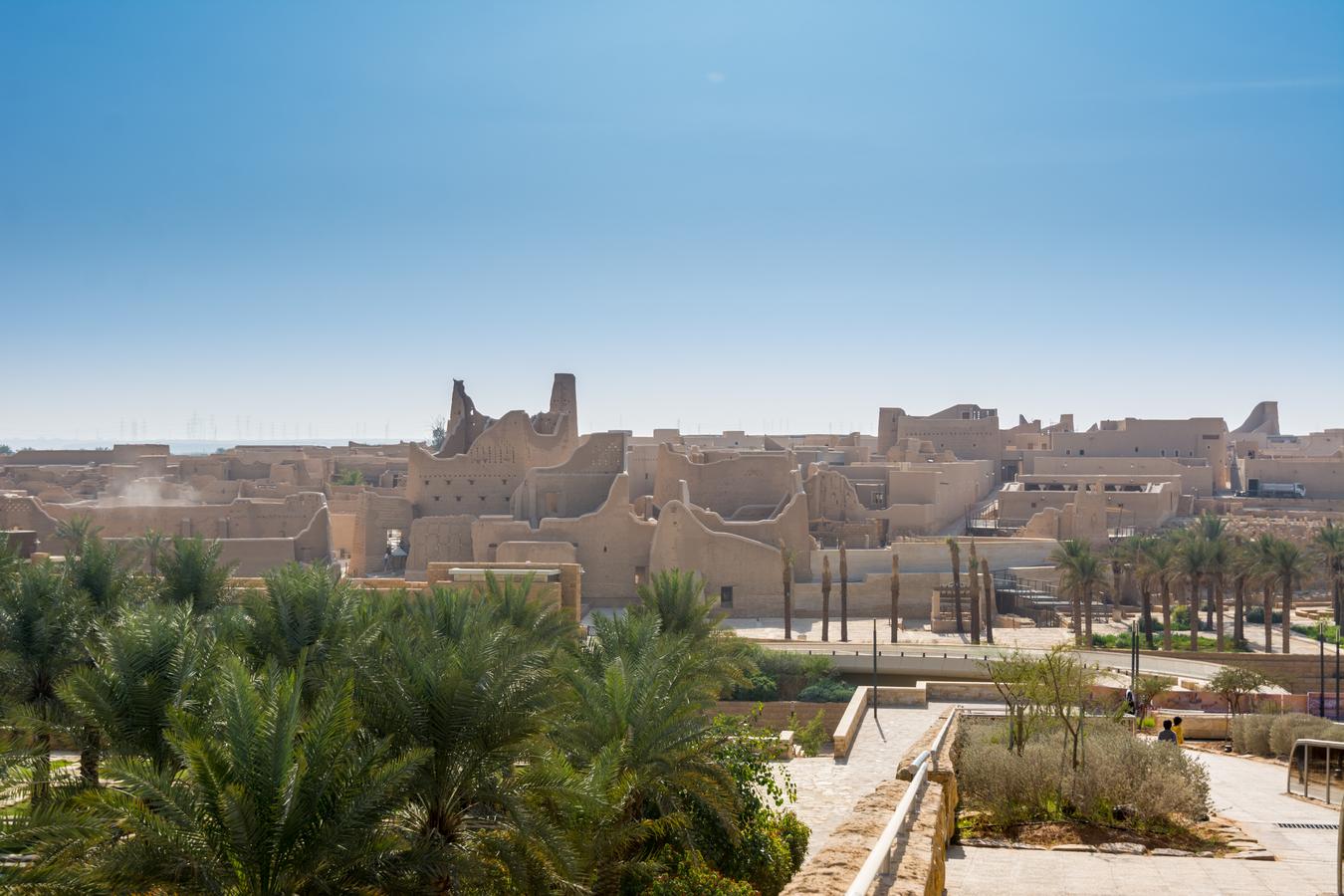
Diriyah also leaves a strong impression because it offers a completely different image of Saudi Arabia. Instead of glass skyscrapers, visitors walk through mudbrick architecture and restored historical districts connected to the origins of the Saudi state.
In the southwest, the Asir region surprises people for another reason entirely. The mountains, cool weather and traditional villages challenge the stereotypical image of Saudi Arabia as a flat and endlessly hot desert country.
Many visitors leave realising the country contains far more geographical and historical variety than they imagined before arriving.
Which Parts of Saudi History Rarely get Attention?
Outside Saudi Arabia, most discussions focus on oil, religion or politics. Much less attention is given to the country’s older social and trading history.
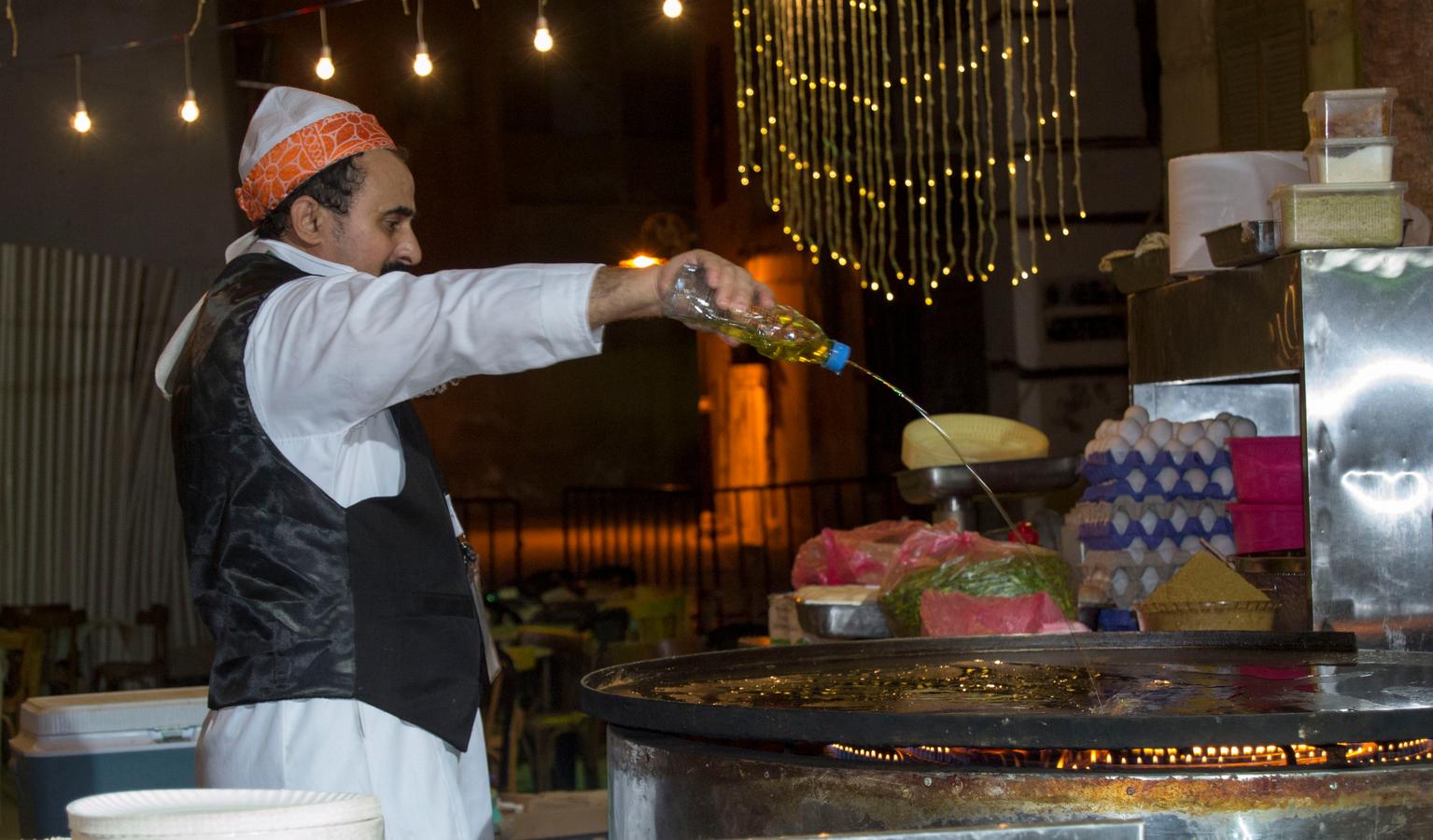
Jeddah, for example, spent centuries as an international port city connected to Africa, India and the wider Islamic world. Pilgrims, traders and travellers passed through constantly, helping shape the city into one of the most culturally mixed parts of Arabia.
Another overlooked story is how rapidly Saudi society transformed during the twentieth century. In many families, grandparents grew up in very modest conditions while younger generations now work in highly modern industries surrounded by technology and global business. Older Saudis often describe this transition as happening almost unbelievably fast.
What Historical Stories Deserve more Discussion?
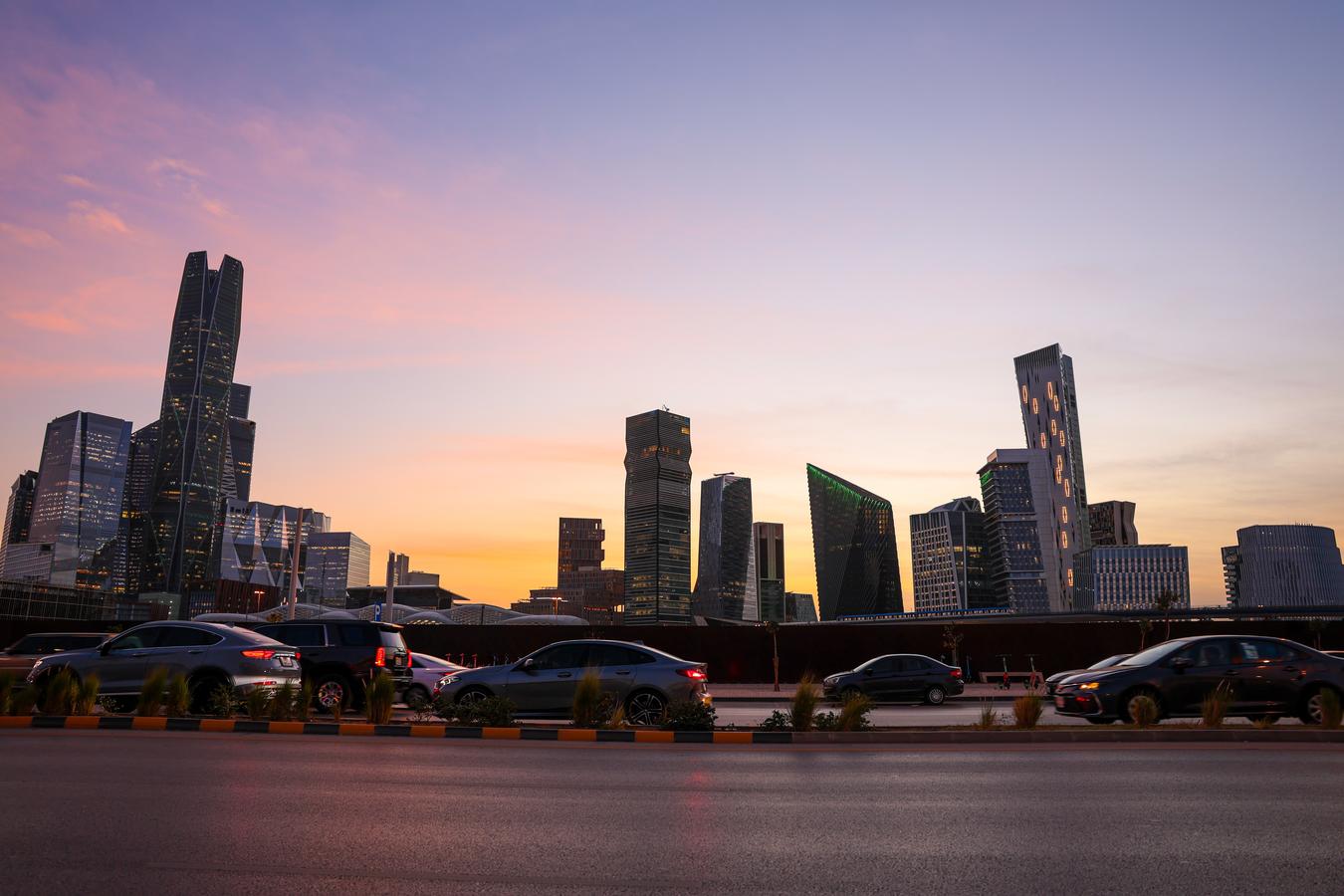
The speed of Saudi Arabia’s transformation probably deserves far more attention internationally. Within only a few generations, the country moved from limited infrastructure and small desert towns to massive modern cities filled with universities, airports and digital industries.
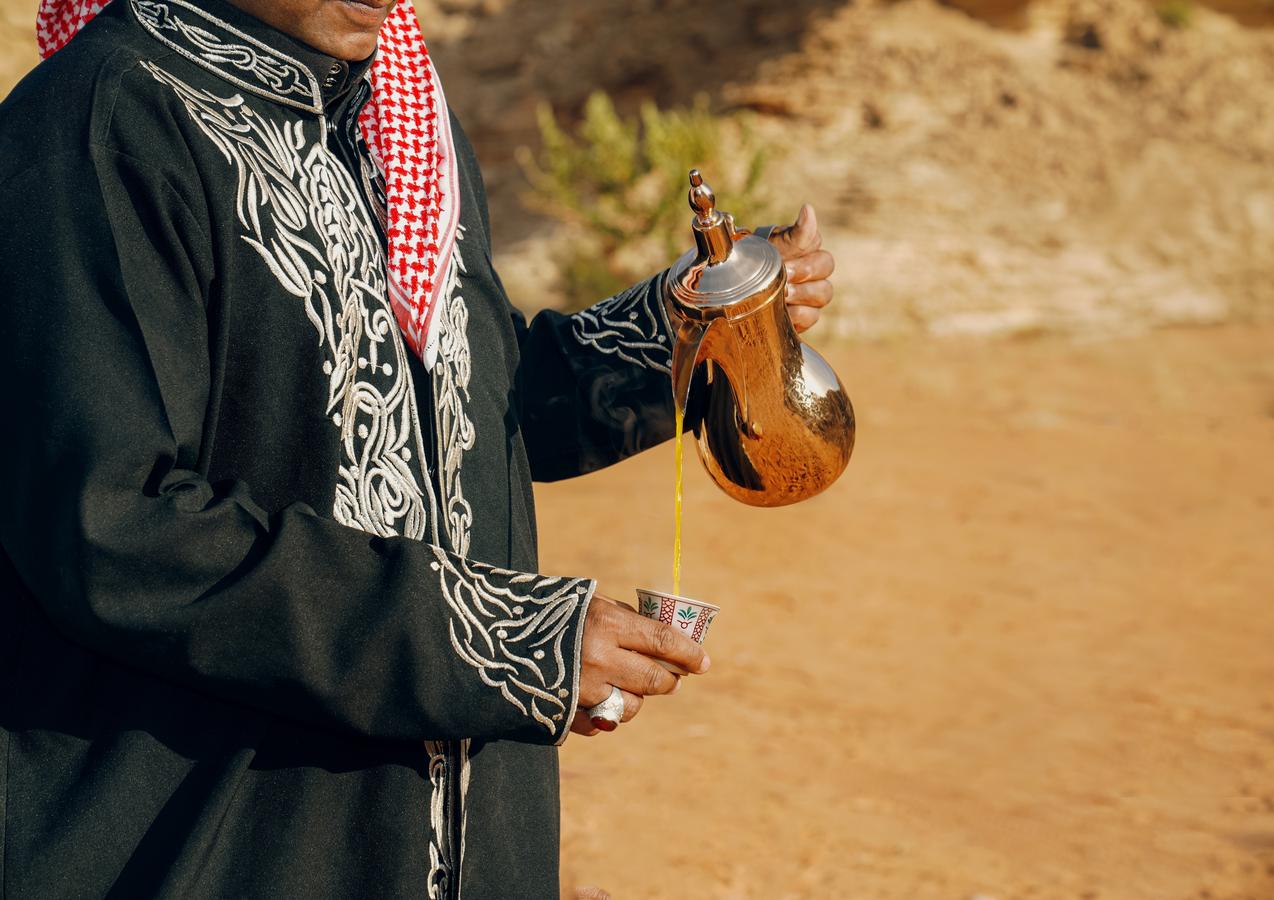
Another story that deserves more discussion is the role of pilgrimage in shaping Saudi society. For centuries, pilgrims travelling through Makkah and Madinah connected Arabia to cultures from across the Muslim world. Food, architecture and even language were influenced by those constant exchanges.
Regional identities also deserve more attention. Hijaz, Najd, Asir and the Eastern Province all developed different traditions over time. Many foreigners are surprised when they realise there is no single “Saudi culture” but rather several local cultures existing within one national identity.








 Oct 21, 2026
0 Comments
No comments yet. Be the first to comment!