 Oct 28, 2026
 Comments
What Taxes Do People Pay in Saudi Arabia?
“Is Saudi Arabia tax-free?” It is a question that comes up often, especially when people compare salaries or consider moving here. The short answer depends on what you mean by tax.
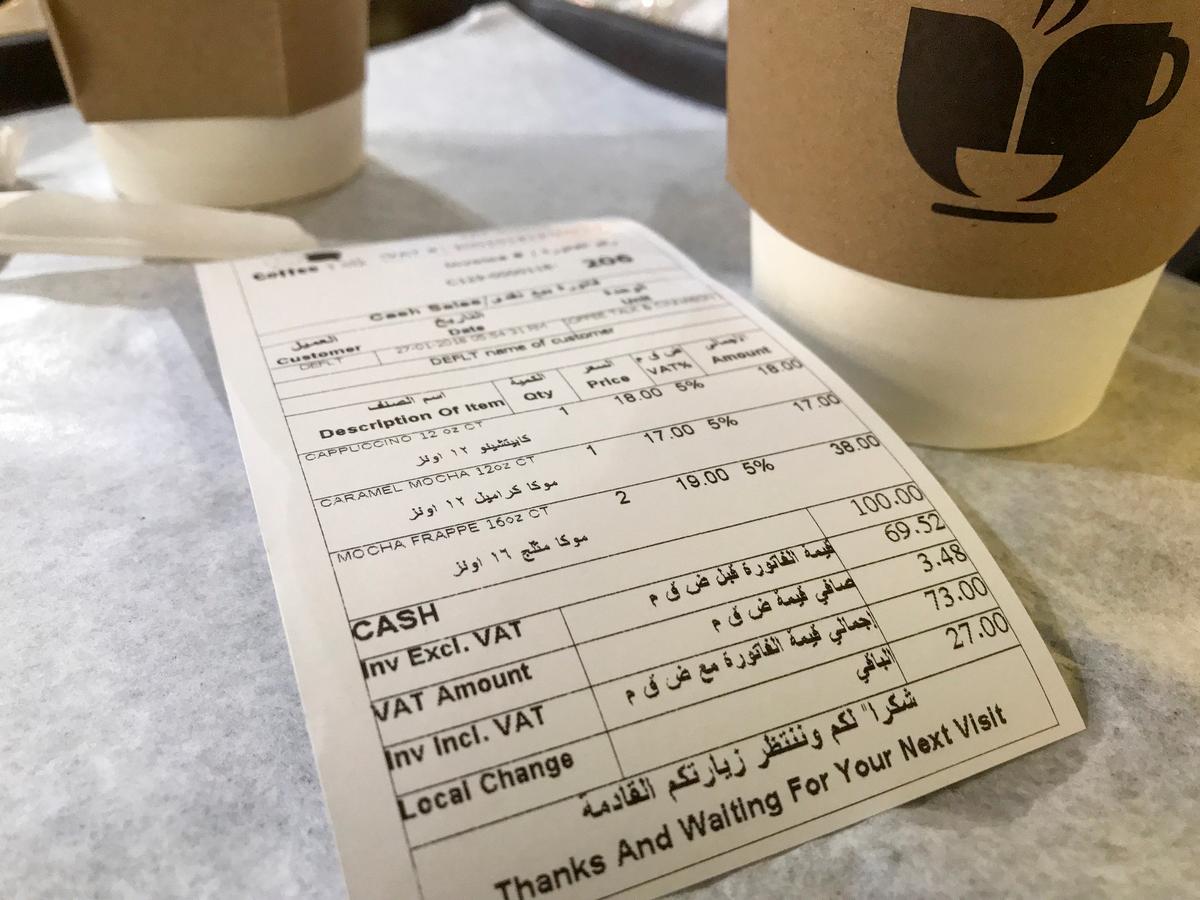
For employees, Saudi Arabia generally does not levy personal income tax on salaries. That can make a real difference to take-home pay. But it does not mean that everyday life is tax-free. The standard VAT rate is 15% on most goods and services, with some exceptions. It is paid when people shop, eat out or use taxable services, rather than deducted from their monthly salary.
That is the distinction worth keeping in mind: salary is generally not subject to personal income tax, while consumption is taxed through VAT.
Do Tourists Pay VAT in Saudi Arabia?
Visitors generally pay VAT on taxable purchases and services. Some tourists may claim a refund on eligible goods they buy in Saudi Arabia and take outside the relevant territory. The rules are specific: the goods must qualify, the claim must go through an authorised provider, and the application must be made while the tourist is still in the Kingdom. So a refund may be available, but it is not automatic for every purchase.
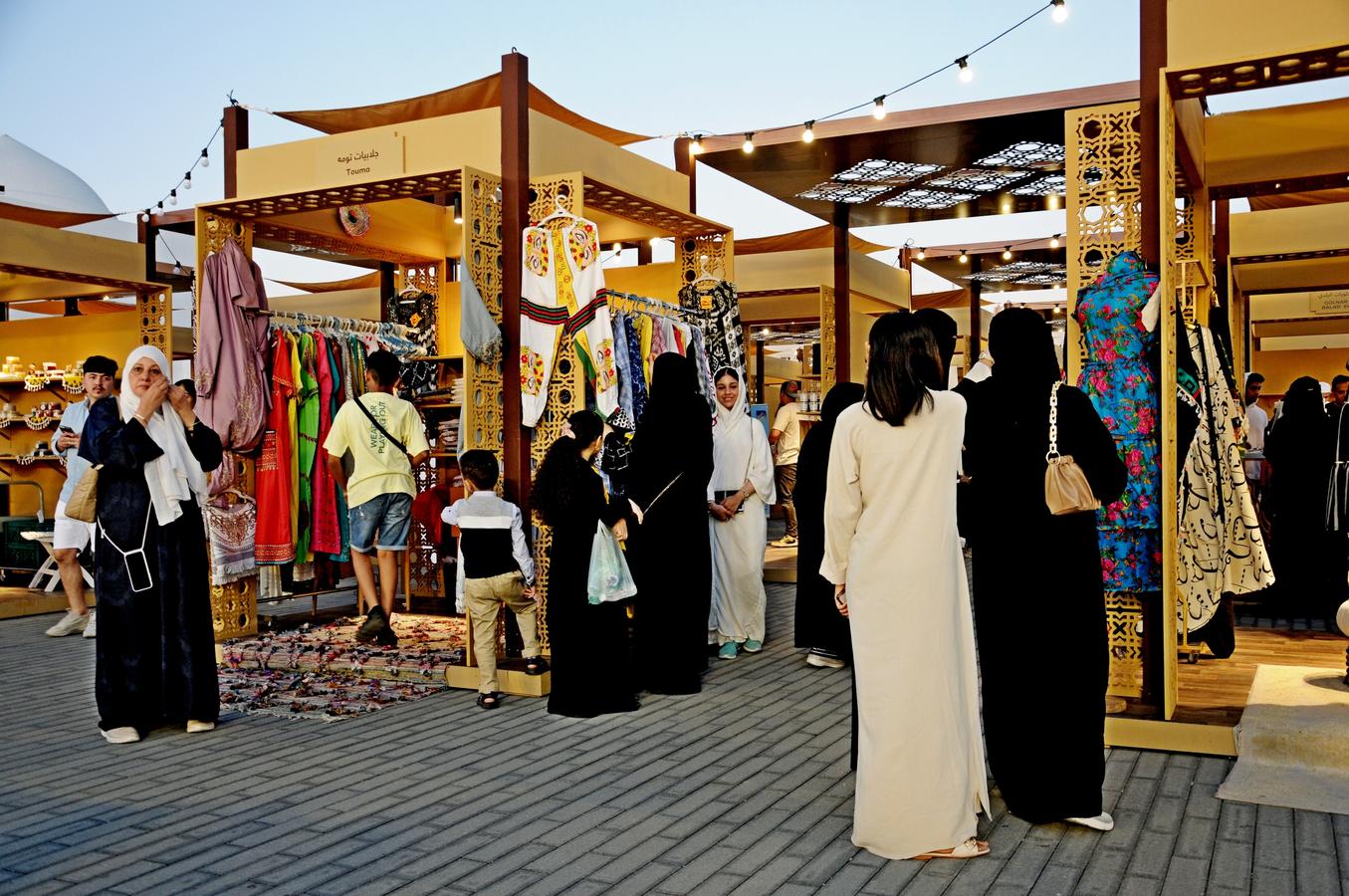
Saudi Arabia’s visitor offer is broader than shopping. Heritage, culture, hospitality, entertainment and nature are all part of the experience being developed. VAT refunds are one practical detail for visitors, but they should not be confused with a general tax-free shopping system.
Is Saudi Arabia One of the Few Countries with No Income Tax?
For salaried employees, the absence of personal income tax is a defining feature of the Saudi system. But “no income tax” is too broad if it suggests that every kind of income is exempt. Saudi tax rules apply to certain business activities and income earned by non-residents, among other cases. A person’s situation can depend on their residency, the kind of income they receive and whether they are working as an employee or conducting business.
Capital gains also should not be described as universally tax-free. Treatment depends on the taxpayer and the asset or transaction involved. Anyone dealing with investments or business income should check the rules that apply to their circumstances.
What Should Residents Compare?
When looking at a job offer or the cost of living, the useful comparison is not just “tax-free or not”. Consider take-home salary alongside VAT on spending, housing, schooling, healthcare, transport and any benefits included in the employment package. These are the things that shape what a salary means in practice.
So, is Saudi Arabia tax-free? For many employees, salary is not subject to personal income tax. But people still encounter tax through VAT and may have other obligations depending on their income or activity. The clearest answer is also the most practical one: look at what kind of income you have, what you spend, and which rules apply to your situation.







 Oct 26, 2026


0 Comments
No comments yet. Be the first to comment!